If your mortgage payment is getting hard to make, call your lender before you miss a payment, not after. Federally regulated lenders are expected to offer relief options to borrowers at risk of default, and you have more choices while your mortgage is still in good standing. In Ontario, once a payment is missed, the clock toward a possible power of sale can start sooner than most people think.
What the new numbers say
Equifax Canada's third-quarter credit report, released this morning (November 24), shows how much pressure borrowers are under:
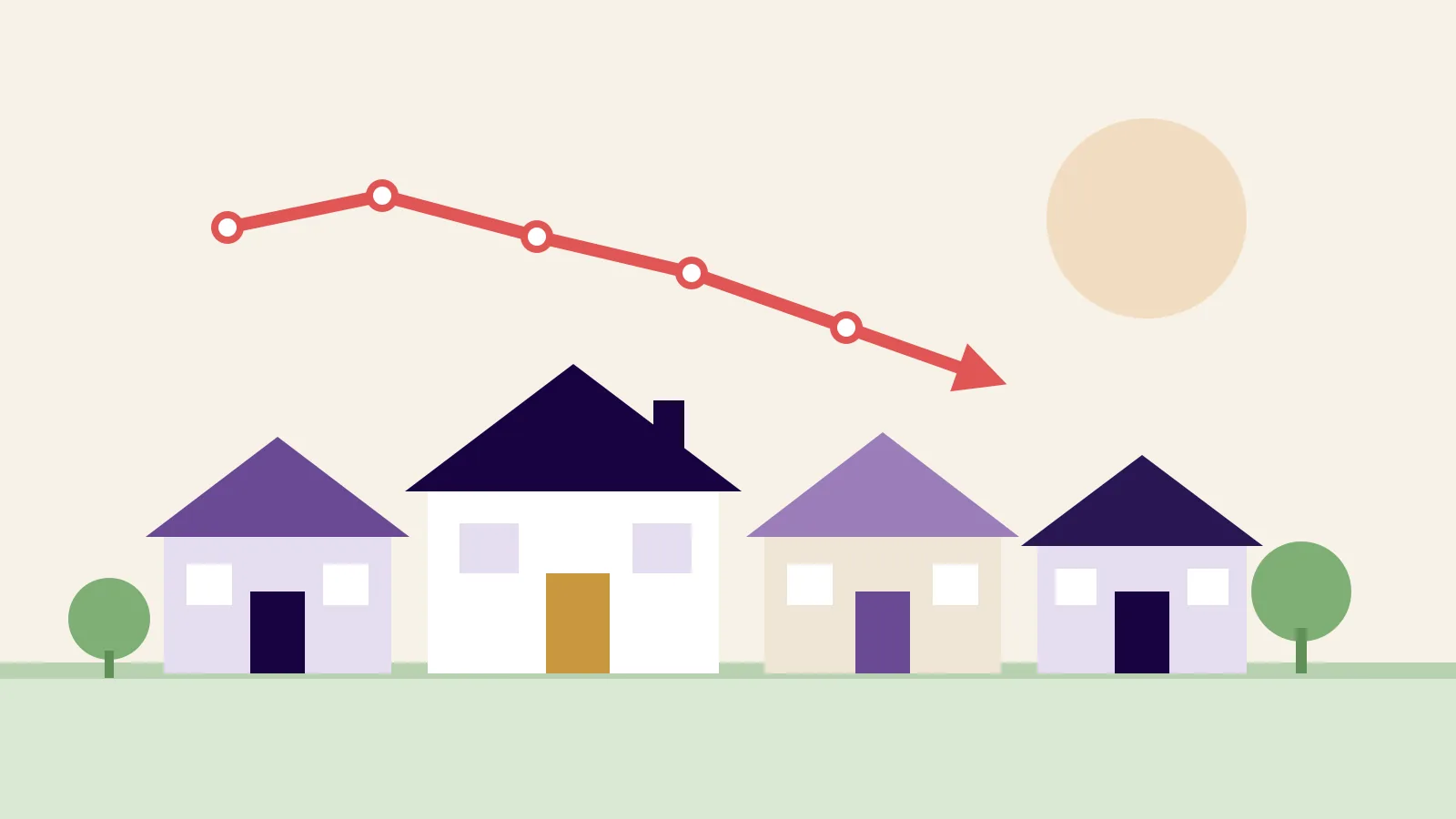
- The 90+ day mortgage delinquency rate (by balance) is 0.32%, up 31.1% from a year ago. Equifax says it's the highest since its tracking began in 2013 and the 16th quarterly increase in a row.
- Ontario and B.C. account for 91% of the yearly growth in seriously late mortgage accounts.
- Negative equity: Equifax estimates Ontario holds about 70% of Canada's negative-equity mortgages, about 5% of the province's mortgages. Condo mortgages are far more exposed than freehold houses (about 7.2% vs. 2.7%).
Official data points the same way. CMHC said on October 27 that Ontario's arrears rate was 0.32% in the second quarter and is expected to see the largest and most sustained rise of any region through mid-2027, concentrated in the Greater Toronto and Hamilton Area and Southwestern Ontario. The Canadian Bankers Association's national rate was 0.30% in August.
Most people are still paying on time. But with the Bank of Canada's policy rate at 2.50% after the October 28 hike and another decision on December 9, more Ontario households are close to the edge. I wrote about what a hike means if you have a variable mortgage in my trigger rate post.
What your lender is expected to offer
The Financial Consumer Agency of Canada (FCAC) has a guideline for banks and other federally regulated lenders dealing with borrowers at risk of default on the home they live in. Lenders are expected to reach out, and to consider relief such as:
- Extending your amortization to lower the payment, for the shortest period possible, with a plan to get back on track.
- Waiving the prepayment penalty if you make a lump-sum payment to keep your balance from growing, or need to sell your home.
- Waiving internal fees for a limited time, and not charging interest on interest when relief causes the balance to grow.
- Not reporting a missed payment to the credit bureaus when it's part of an agreed relief plan.
These are expectations, not guarantees, and they need your express consent. Provincially regulated credit unions and private lenders aren't covered by this federal guideline, so if your mortgage is with one of them, read your agreement and ask what they offer.
A GTA example: what stretching the amortization does
The scenario: You own a condo in Toronto. You owe $520,000 at a 4.89% fixed rate with 22.5 years left on your amortization and 30 months left in your term.
| Keep 22.5 years | Extend to 30 years | |
|---|---|---|
| Monthly payment | about $3,165 | about $2,741 (−$424) |
| Balance at end of 30-month term | about $486,000 | about $499,500 |
| Total interest if never restored | about $334,600 | about $466,800 (+$132,200) |
That $424 a month can be the difference between keeping up and falling behind. The cost is real, which is why the FCAC tells borrowers to think twice and why the guideline expects a plan to bring the amortization back down.
If selling is on the table: big bank vs. monoline
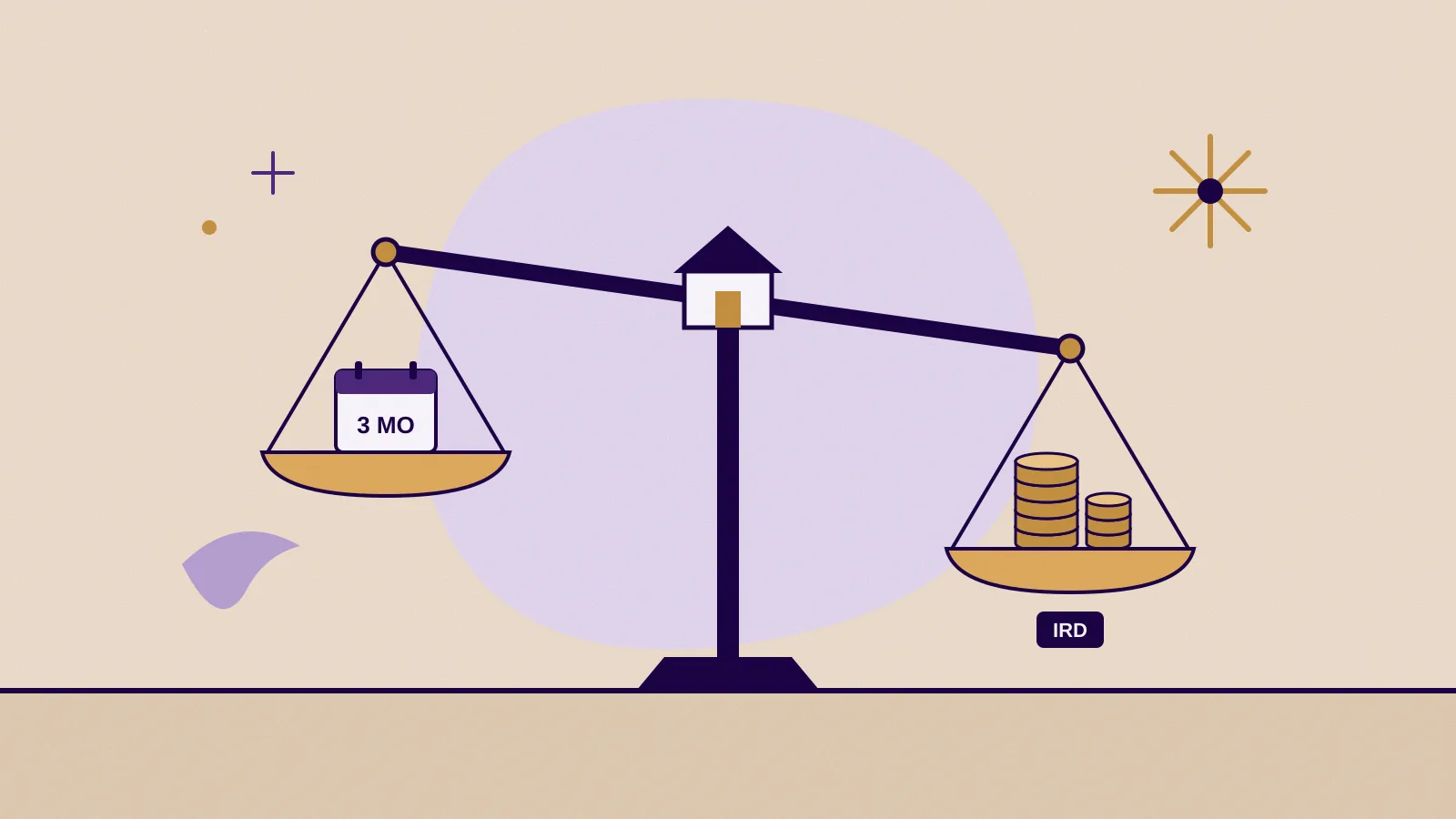
Sometimes the right answer is to sell before a lender forces the issue. Then the prepayment penalty matters, and it depends on who holds your mortgage. A big bank often calculates the interest rate differential (IRD) using today's posted rate minus the discount you got when you signed, which can make the penalty large. A monoline lender like RFA (a lender that only does mortgages, sold through brokers) generally compares your rate with its own current rate for the remaining term, with no discount taken off. I explain both methods in my prepayment penalty guide.
| Same $520,000 mortgage, 4.89%, 30 months left | Comparison rate | Estimated penalty |
|---|---|---|
| Three months' interest | n/a | about $6,360 |
| Big bank: assumed 5.49% posted rate minus a 1.60% original discount | 3.89% | about $13,000 |
| Monoline (e.g. RFA): assumed 4.39% current rate, no discount subtracted | 4.39% | about $6,500 |
| Any federally regulated lender that agrees to waive it under the FCAC guideline when you sell your home | n/a | $0 |
Calculation basis: Canadian semi-annual compounding, monthly payments. Penalties are the greater of three months' interest (balance × 4.89% ÷ 4) or IRD (rate difference × balance × 2.5 years). The 4.89% contract rate, 5.49% posted rate, 1.60% discount and 4.39% monoline rate are assumptions for illustration, not current lender rates or an MMB offer. A penalty waiver is up to the lender. Rates are on approved credit (OAC) and subject to change. Illustrative only.
How fast things move in Ontario
Ontario's Mortgages Act sets the minimums. Under section 32, a lender can't send a notice of sale until a payment default has lasted at least 15 days, and can't sell until at least 35 days after that notice. Under section 22, you can stop the process by paying the arrears and the lender's costs before the sale, and you can ask in writing for a statement of what's owed. Those are minimums; legal costs pile up quickly, so don't wait for the notice. Get legal advice if one arrives.
Who this affects
- Owners renewing at a higher rate after a low-rate term.
- Variable-rate and HELOC borrowers whose costs rose after the October hike.
- Condo owners who bought around 2022 and now owe close to, or more than, the unit is worth.
- Households carrying card or car debt on top of the mortgage.
What to do now
- Call your lender before the first missed payment. Ask specifically about the relief measures in the FCAC guideline and get any offer in writing, with the new payment and remaining amortization.
- Price your other debt. In my experience, the mortgage is often fine on its own and it's the cards and car loan that break the budget. A debt consolidation refinance can cut total monthly payments, if you have the equity.
- Look at your renewal early. If it's within six months, compare offers rather than signing the first letter. See our mortgage renewal page.
- Know the short-term options. If a bank says no, a private mortgage or second mortgage can buy time to sell or rebuild. They cost more, so they need a clear exit plan.
If your payments are getting tight, send me your balance, rate, renewal date and other debts. I'll tell you plainly which options fit, including when the best move is to talk to your current lender first.
Information current as of November 24, 2026; rates and rules change. This is general information, not legal advice.
Sources
- Equifax Canada, Q3 2026 Market Pulse consumer credit release (November 24, 2026)
- CMHC, "Ontario mortgage arrears expected to rise through mid-2027" (October 27, 2026)
- Canadian Bankers Association, Mortgages in arrears (August 2026 data, published October 30, 2026)
- FCAC, Guideline on Existing Consumer Mortgage Loans in Exceptional Circumstances
- FCAC, Paying your mortgage when experiencing financial difficulties
- Ontario Mortgages Act, R.S.O. 1990, c. M.40 (sections 22 and 32)
- Bank of Canada, policy rate raised to 2½% (October 28, 2026)