If you have a variable-rate mortgage with a fixed payment, the October hike didn't change your payment. It changed what your payment does. Most borrowers I talk to are nowhere near their trigger rate, but many are closer than they think to a different problem: an amortization that keeps getting longer every time rates rise.
Here's how to check where you stand in five minutes, using the numbers on your own mortgage statement.
Where rates are right now
The Bank of Canada raised its policy rate by 0.25% to 2.50% on October 28, and prime followed. The Bank of Canada's weekly prime rate series moved from 4.45% to 4.70% the following week. I covered what that did to adjustable payments in my post on the October hike.
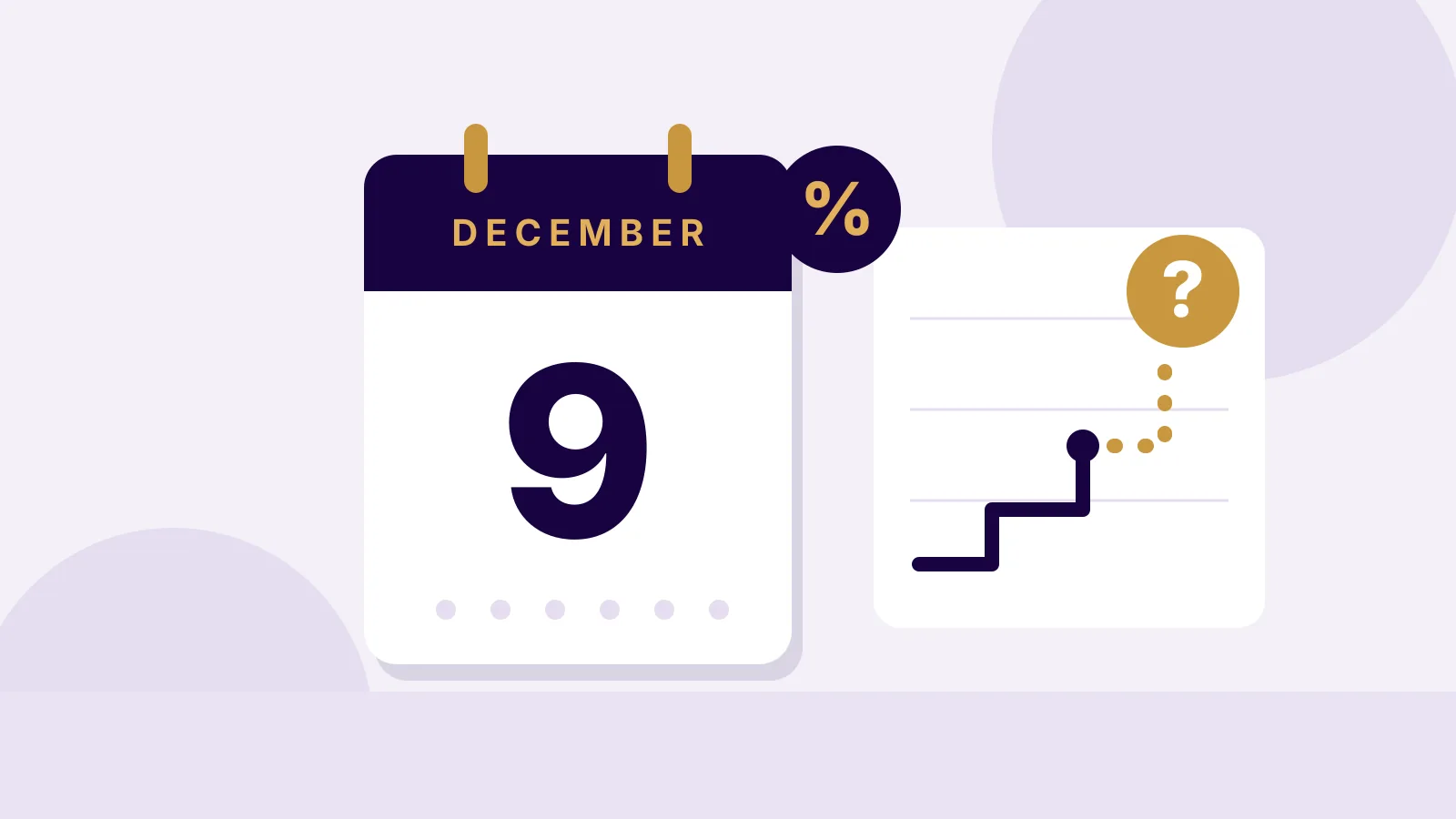
The next decision is December 9, 2026. Whether the Bank moves again is an open question, and I walked through the scenarios in my December 9 outlook.
Trigger rate vs. trigger point: two different warnings
These two terms get mixed up constantly, so let's separate them.
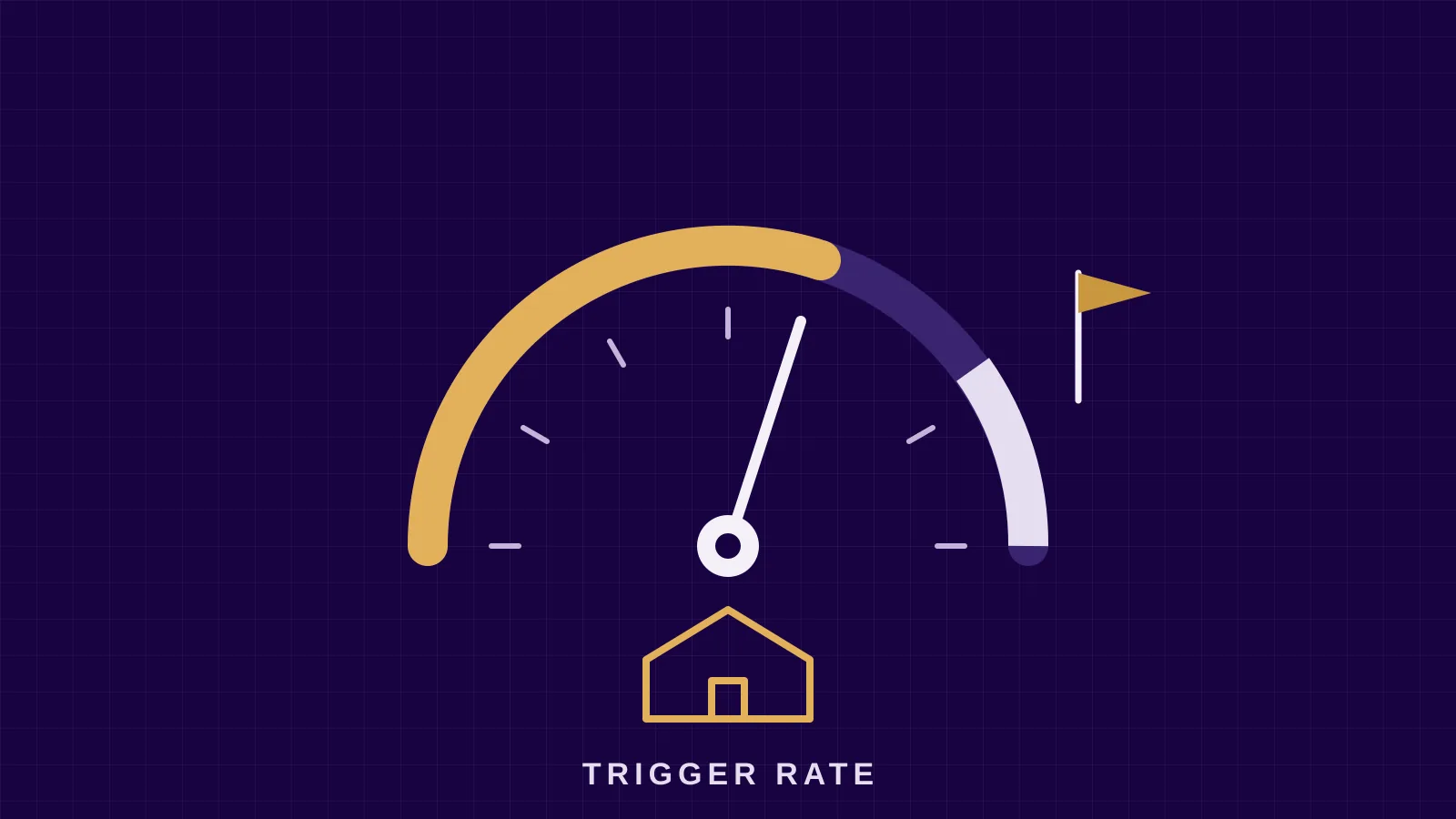
- Trigger rate: the interest rate at which your fixed payment covers only interest. Above it, nothing goes to principal and unpaid interest can start adding to your balance.
- Trigger point: the moment your balance, or your effective amortization, crosses a limit set in your mortgage contract. That's when your lender can require a higher payment or a lump sum. Each lender defines it differently, so check your own terms.
The trigger rate is the dramatic one. The quieter issue is what happens long before it: less principal paid each month, and a longer road to being mortgage-free.
This only applies to fixed-payment variable mortgages (often called VRMs). If your payment changes with prime, an adjustable-rate mortgage, your payment already went up and you don't have a trigger rate. Not sure which you have? My ARM vs. VRM explainer breaks it down.
An Ontario example with real numbers
Take a hypothetical GTA homeowner who started with a $600,000 mortgage on a 25-year amortization, with the payment set at a 3.50% rate. That payment works out to about $3,004 a month. Assume two years have passed, so the balance is now about $568,900.
Now assume their rate today is prime minus 0.80%, or 3.90%:
| Rate | Interest per month | Principal per month | Effective amortization left |
|---|---|---|---|
| 3.50% (original) | about $1,659 | about $1,345 | 23.0 years |
| 3.90% (today) | about $1,849 | about $1,155 | 24.5 years |
| 4.15% (if prime rises 0.25%) | about $1,967 | about $1,036 | 25.7 years |
| 4.40% (if prime rises 0.50%) | about $2,086 | about $918 | 27.0 years |
This borrower's trigger rate is about 6.34%. That's the rate where $3,004 a month covers only the interest on $568,900. They're well away from it.
But look at the last column. Two years in, they should have 23 years left. At today's rate they're at 24.5, and one more hike would put them past where they started. Each 0.25% increase adds roughly $119 a month in interest on this balance, and every dollar of that comes out of principal.
Calculation basis: monthly compounding (common on variable products), payment unchanged, no prepayments. Trigger rate = 12 × payment ÷ balance. With semi-annual compounding the trigger rate is about 6.42%. Illustrative only, OAC. Your lender's compounding, rate and contract terms change the exact numbers.
What about fixed rates?
Fixed rates take their cue from Government of Canada bond yields, not prime. The 5-year benchmark yield was 3.62% on October 28, slipped to 3.35% by November 9, then climbed back to 3.59% on November 13. In plain terms, the bond market hasn't signalled much relief for fixed rates since the hike. If you're thinking about locking in, compare the actual offer against your remaining variable discount before deciding. Locking in isn't automatically the safer choice.
Who this affects
- Fixed-payment variable borrowers: your payment is the same, but more of it is interest. Your amortization is likely longer than your statement's original schedule.
- Borrowers who took a large variable mortgage at a deep discount: a payment set at a low rate leaves less room, so your trigger rate is lower.
- Anyone renewing in 2026 or 2027: if your effective amortization has stretched, your new payment at renewal could jump to put you back on schedule. That's worth planning for now, not at the renewal letter. My mortgage renewal page explains how I approach it.
- Adjustable-rate (ARM) borrowers: no trigger rate, but your payment already rose with prime.
What to do now
- Find three numbers on your statement: current balance, monthly payment and current rate. Multiply your payment by 12, divide by your balance, and you have your approximate trigger rate.
- Check your effective amortization. Your lender can tell you, or I can calculate it. If it's longer than your original schedule, you're already paying for the hikes.
- Read your trigger point clause. Know exactly what your lender can require, and when.
- Consider a small voluntary payment increase. Many mortgages allow this within your prepayment privileges; check yours first. Even $100 to $150 a month can offset a 0.25% hike.
- Don't lock in on reflex. Compare the real fixed offer, the penalty if any, and your plans before switching.
If your amortization has already stretched and you're carrying other debt, a refinance review may make more sense than adjusting the mortgage alone.
Want your exact trigger rate and effective amortization worked out? Send me your statement numbers and I'll run them for you. No obligation.
Information current as of November 16, 2026; rates and rules change.
Sources
- Bank of Canada: Policy interest rate and 2026 announcement schedule (accessed November 16, 2026)
- Bank of Canada: Prime rate weekly series (V80691311) (accessed November 16, 2026)
- Bank of Canada: Selected benchmark bond yields, 5-year (accessed November 16, 2026)